A quick note: this article is general information, not personal advice. Tax and accounting rules change and everyone's situation is different, so please don't act on anything here without checking how it applies to you. We'd be happy to help — get in touch before making any decisions.
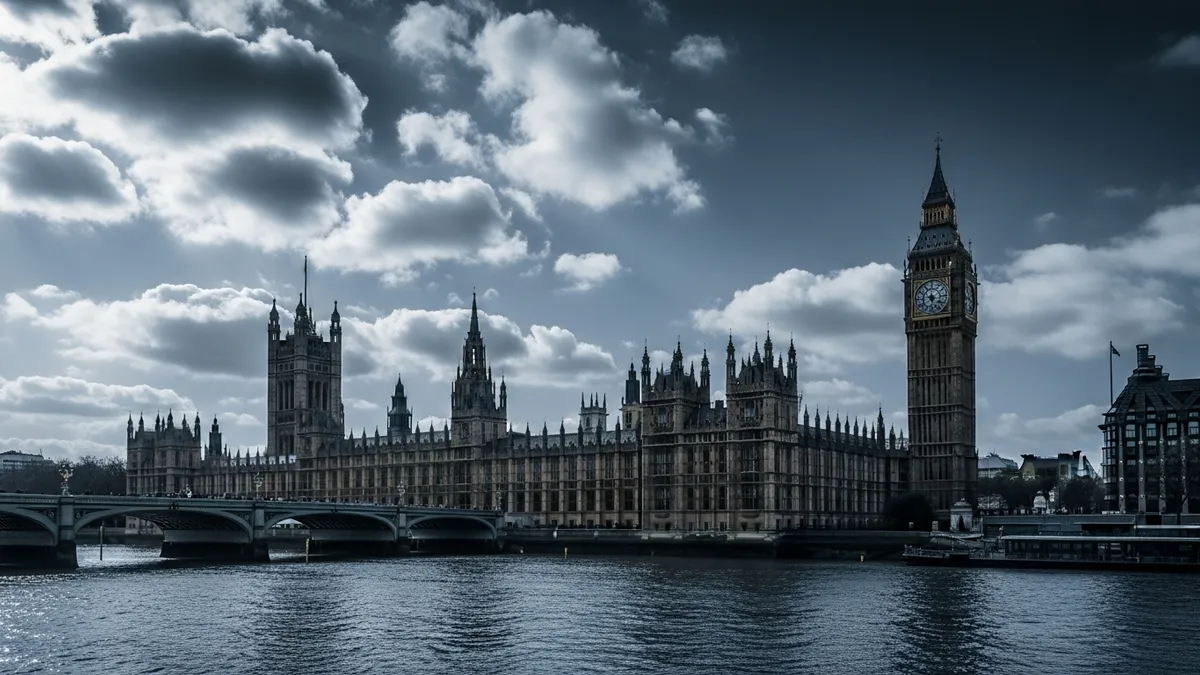
On 20 July 2026, Andy Burnham became the UK's Prime Minister, replacing Sir Keir Starmer after a bruising set of local election results and mounting pressure from within the Labour Party (see the Institute for Government's analysis of the May 2026 elections and their aftermath). There has been no general election — the same party remains in office, and the next election is not due until 2029 — but a change at the top of government always raises the same question from our clients: what does this mean for my tax bill?
The honest answer, three days in, is that very little has actually changed — but the direction of travel matters, and there is a great deal of speculation flying around. In this article we set out what the new government has genuinely said or signalled, what remains pure conjecture, and why the much-discussed "wealth tax" is far less likely to happen than some of the headlines suggest.
One important note before we start: this is commentary, not advice. Nothing is confirmed until it is legislated, and early statements from any new administration can and do change. Please speak to us before acting on anything here.
Key takeaways
- Andy Burnham became Prime Minister on 20 July 2026; John Healey is the new Chancellor. There has been no general election.
- The 2024 manifesto pledges stand: no increases to the main rates of income tax, VAT or employee National Insurance.
- Early announcements are cost-of-living measures: 0% VAT on domestic electricity, a £2 bus fare cap and a business rates cut for hospitality venues.
- A wealth tax has been played down — the Prime Minister says it is not an immediate priority.
- Everything already legislated remains in force, including the 2026/27 business tax changes. Nothing new is certain until a Budget.
How we got here
Labour won a large majority at the July 2024 general election, with Sir Keir Starmer as Prime Minister and Rachel Reeves as Chancellor. Two Budgets followed — most recently in November 2025, which raised around £26 billion a year by the end of the decade, largely by extending the freeze on income tax and National Insurance thresholds to April 2031 (the House of Lords Library summary sets out the measures in full).
In May 2026, Labour suffered heavy local election losses. After weeks of internal pressure, Sir Keir agreed to stand down, and Andy Burnham — the former Greater Manchester Mayor, who had returned to Parliament via a by-election in June — was appointed party leader and Prime Minister unchallenged. He has appointed John Healey as Chancellor of the Exchequer, replacing Rachel Reeves (as reported by PoliticsHome on 21 July 2026).
The fiscal backdrop the new team inherits is tight: borrowing remains high, debt interest is expensive, the tax burden is already at a historic high, and the Office for Budget Responsibility's July 2026 Fiscal Risks and Sustainability report continues to flag long-term pressure on the public finances. Whatever the new government wants to do, it has limited room for manoeuvre.
What the new government has actually said on tax
So far, the confirmed positions are more notable for what they rule out than what they promise:
- The 2024 manifesto pledges stand. Mr Burnham has committed to Labour's existing pledge not to increase the main rates of income tax, VAT or employee National Insurance. That covers the big three revenue raisers.
- The fiscal rules stay. He has indicated he intends to keep operating within the government's fiscal rules — day-to-day spending funded from tax revenue, and debt falling as a share of the economy over the forecast period.
- No immediate wealth taxes. Despite pressure from parts of his party, the Prime Minister has signalled that raising taxes on wealth is not an immediate priority, saying he does not want to "create new divisions" with tax policy — remarks widely read as reassurance to business and investors.
Everything already legislated remains in force. That includes the measures from the November 2025 Budget: income tax and National Insurance thresholds frozen until April 2031 (so "fiscal drag" continues to pull more income into higher bands each year), corporation tax at 25% with the 19% small profits rate, employer's National Insurance at 15%, and the ongoing rollout of Making Tax Digital for income tax from April 2026.
The first week's announcements: a cost-of-living package
The new Prime Minister has not waited for a Budget to start spending. In his first week he has announced three headline cost-of-living measures:
- VAT on domestic electricity cut from 5% to 0%. The cut takes effect from 1 October 2026 and runs for six months to the end of March 2027, at a cost of roughly £850 million — which the government says will be funded by scrapping the previous administration's digital ID scheme. The saving is estimated at around £45 a year on a typical bill, though independent commentators have noted the practical benefit may be smaller if the energy price cap rises in October.
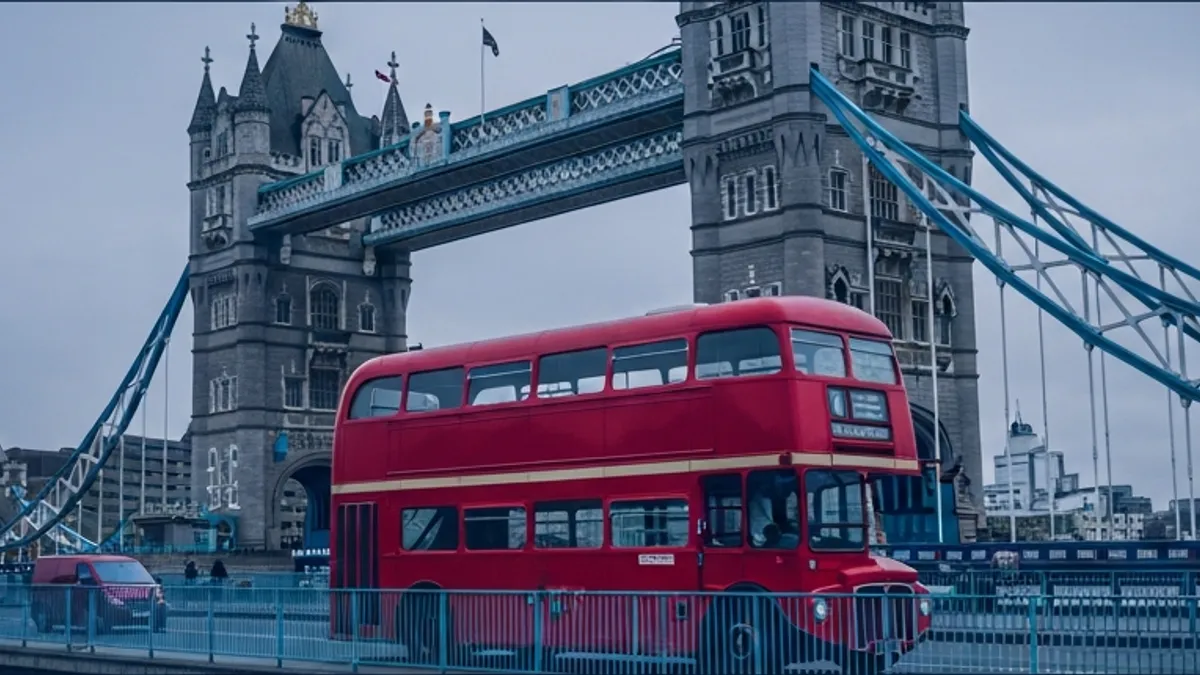
- The £2 bus fare cap returns. Single bus fares on participating services in England will be capped at £2 from January 2027, lowering the current £3 national cap — a signature policy from Mr Burnham's time as Greater Manchester Mayor, now applied nationally.
- A 20% business rates cut for pubs, clubs and music venues. Announced this week, around 32,000 hospitality and live-music venues in England will receive a 20% reduction in business rates from next April — worth roughly £1,100 a year for a typical pub, on top of the 15% discount announced in January. The £100 million cost is to be funded by tightening compliance on online marketplace sellers.
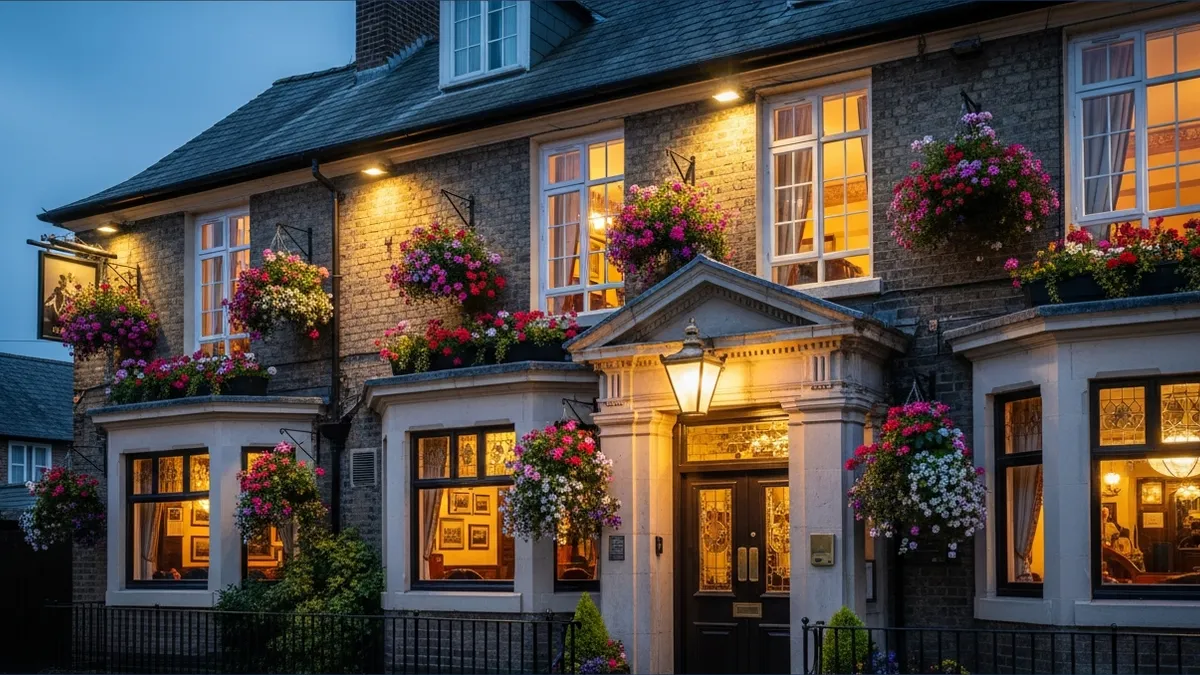
For our hospitality clients in particular, the business rates cut is genuinely welcome news after several years of shrinking reliefs — though note it applies to specific venue types, so check whether your premises qualify before building it into forecasts. As ever, the details will be in the fine print when the measures are legislated.
What the new government has signalled on spending
In his first remarks as Prime Minister, Mr Burnham promised to focus on the cost of living and to give people "breathing space", with detail on funding to follow. His long record as a mayor suggests likely emphasis on housing, transport and devolution to the regions, and the government remains committed to its existing programmes on the NHS, defence investment and the net zero transition.
The biggest open question may be defence. There is a striking irony in the new Chancellor's appointment: Mr Healey was Defence Secretary until 11 June 2026, when he resigned precisely because he felt the Treasury was unwilling to fund the Defence Investment Plan adequately — writing that the government had been "unable, and the Treasury has been unwilling, to commit the resources that the nation needs to defend the country at this time of rising threats." Barely six weeks later, he is the Treasury. Having resigned over a defence funding gap that military chiefs put at some £28 billion, he now has to find the money — or explain why he cannot. If defence spending does rise materially, that money must come from somewhere: more borrowing within the fiscal rules, cuts elsewhere, or tax. Watch this one closely.
To be clear, much of this section is reading the runes rather than reporting policy: until the new Chancellor delivers a fiscal statement or Budget — none has yet been scheduled — we do not know how these ambitions will be funded or prioritised. A new Chancellor typically waits for updated forecasts before committing to anything.
What is pure speculation
Plenty of ideas are circulating in the press that have not been proposed by the government. These include changes to capital gains tax rates or reliefs, further reform of inheritance tax, restrictions on pension tax relief, new property or "mansion" taxes, and changes to dividend taxation. Any of these could appear in a future Budget — commentators suggested many of the same things before the last two Budgets, with mixed accuracy — but as of today none of them is government policy. We would caution strongly against making irreversible decisions based on Budget speculation; we have seen clients crystallise tax bills pre-emptively ahead of changes that never came.
Equalising capital gains tax with income tax
One idea that resurfaces before almost every Budget is aligning capital gains tax rates with income tax rates. It has respectable pedigree: the Office of Tax Simplification's 2020 review of capital gains tax recommended that the government consider closer alignment between the two, alongside changes to reliefs and the annual exempt amount. Campaigners point out that gains are currently taxed at a maximum of 24%, while income can be taxed at up to 45%.
But it is worth remembering what actually happened last time this was live speculation: the October 2024 Budget raised the main CGT rates to 18% and 24% — a significant increase, but one that stopped well short of full alignment. The standard objections remain: without an allowance for inflation, taxing gains at income tax rates can tax paper gains rather than real ones; and higher rates encourage people simply to hold assets rather than sell, which dampens the revenue raised. Neither the new Prime Minister nor the new Chancellor has proposed CGT alignment. It belongs firmly in the "watch this space" column — worth planning around sensibly, not worth panic-selling over.

The wealth tax debate — and why it probably won't happen
The loudest speculation concerns an annual wealth tax. In July 2026, economists Gabriel Zucman and Ben Tippet published a proposal for a 2% minimum annual tax on households with wealth above £100 million, which they estimate could raise around £10 billion a year — a proposal that has also been the subject of an early day motion in Parliament. Campaign groups and some Labour MPs have urged the new Prime Minister to adopt it, and Mr Burnham has said he is "not going to rule things out" — while also making clear it is not a priority.
So could it happen? Never say never in tax. But there are solid, practical reasons why most tax professionals — and, historically, most governments — conclude that an annual wealth tax is unworkable in practice.
Valuation is genuinely hard
Income is observable; wealth often is not. Private company shares, farmland, art, intellectual property and pension rights have no market price until they are sold. An annual wealth tax requires valuing all of it, every year, for every taxpayer in scope — an enormous exercise that invites disputes, appeals and inconsistency. The UK's Wealth Tax Commission, which examined this in depth in 2020, concluded that a recurring annual wealth tax would be administratively complex and prone to avoidance, and that reforming existing taxes would be more effective.
The asset-rich, cash-poor problem
Wealth does not mean liquidity. A farmer, a founder whose wealth sits in unsold company shares, or a retiree in a valuable home may have substantial paper wealth and very little cash. An annual charge on asset values can force people to borrow against or sell illiquid assets simply to pay the tax — which is why real-world wealth taxes end up riddled with exemptions and caps that, in turn, shrink the revenue.
Behavioural responses and capital flight
The wealthiest households are also the most internationally mobile, and both people and capital respond to incentives. France's experience is the standard cautionary tale: its wealth tax was blamed for a sustained outflow of wealthy residents before it was replaced with a narrower property-based charge in 2018. Revenue projections that assume nobody changes behaviour tend to flatter the case considerably.
High cost, modest revenue
Even where wealth taxes have operated, they have raised surprisingly little — in most OECD countries that levied them, well under 1% of GDP, against high administration and compliance costs (the Institute for Government's explainer covers the evidence). Paul Johnson, when director of the Institute for Fiscal Studies, put it bluntly: no country has ever had a wealth tax that raised serious money. Set against a UK tax take of over £1.1 trillion a year, even the optimistic £10 billion estimate is modest — and most independent analysts expect the realised figure would be lower.
The international track record
Perhaps the most telling evidence: in 1990, twelve OECD countries operated an annual net wealth tax. Today only a small handful remain — Switzerland, Norway and Spain being the notable examples — and the countries that abandoned theirs, including Germany, France, Sweden, Austria and the Netherlands, did so because the taxes raised little, cost a lot and drove capital abroad.
The UK already taxes wealth — heavily
Finally, it is a myth that UK wealth goes untaxed. Capital gains tax applies when assets are sold, inheritance tax when they are passed on, stamp duty land tax when property changes hands, and council tax annually on homes. Together these raise tens of billions of pounds each year. If a future government wants more revenue from wealth, the path of least resistance is to adjust these existing taxes — rates, reliefs and thresholds — rather than build an entirely new system from scratch. That, notably, was also the Wealth Tax Commission's conclusion.
What should you actually do?
Our advice is the same as before every period of fiscal uncertainty:
- Don't panic, and don't act on rumours. Nothing changes until it is legislated, and pre-emptive action can create real tax bills to avoid hypothetical ones.
- Do use the allowances that exist now. ISA and pension allowances, CGT annual exempt amounts, dividend allowances and IHT gifting exemptions are all in force today and are sensible planning regardless of what any Budget brings.
- Keep good records and stay flexible. If changes are announced, those with organised affairs can respond quickly; those without cannot.
- Take advice before big decisions. If you are considering a business sale, property disposal or significant gift, it is worth stress-testing the timing with a professional — but on the merits, not on speculation.
We will publish a full analysis when the new Chancellor delivers his first fiscal statement. In the meantime, if you're wondering what the change of government might mean for your business or personal position, book a free intro consultation with one of our chartered accountants — we'd be happy to explain how we can help. We're based in Rochester and advise clients across Medway, Kent and the UK — see our accountants in Rochester page.